
Through the lens: photographers showcase prairie life
By Melissa Crispin-Piche Local Journalism Initiative Reporter
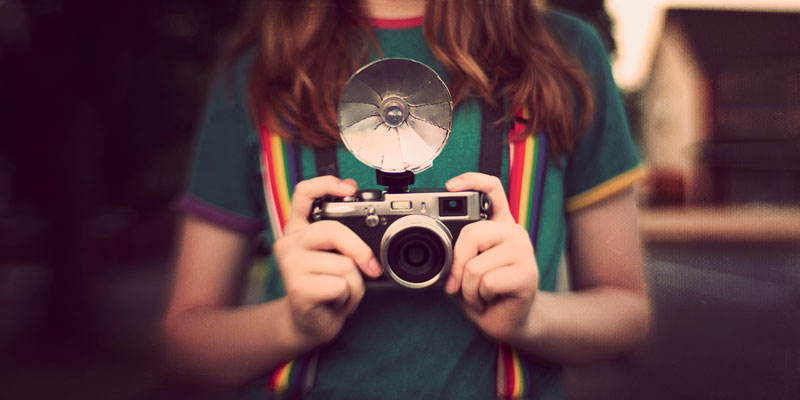
Two local photographers are inviting visitors to slow down and take another look at the prairie landscape through their featured exhibits at the Strathmore Municipal Library.
Darlene Hooge and Emily Newman both find inspiration in southern Alberta’s landscapes and unexpected details. Though their paths into photography differ, both are largely self-taught and share an interest in capturing moments others might pass by.
For Hooge, photography is closely tied to her rural roots. Born in Manitoba, raised on a small farm in eastern Saskatchewan and now living in Carseland, she describes herself as a “prairie girl at heart.”
“I like things fairly simple,” Hooge said. “I like to be able to appreciate what’s around me.”
Photography became a greater passion when her children began having children of their own. Following her grandchildren to sporting events gave her opportunities to practice and develop her skills through experience, courses and online resources.
Photography has also changed how Hooge sees her surroundings. Once, while photographing a deer near the water, she later discovered she had unknowingly captured a fish jumping completely out of the water.
“I’d never even seen the fish in the picture when I was taking that deer,” she said.
Those unexpected discoveries encourage Hooge to notice small details, from dew-covered spider webs to changes after rainfall. She will also revisit locations at different times and perspectives to find the image she wants.
Among her most meaningful photographs is a candid shot of three grandchildren having a snowball fight.
“Nothing was posed,” she said. “We were walking down the road and these kids started having a snowball fight.”
Hooge shows her work under Country Roots Photography and at The Vault Cultural Collective. For her, exhibiting is less about technical perfection than creating an emotional connection.
Newman shares that desire to draw attention to what can easily be overlooked.
A Strathmore resident for about five years, Newman’s interest in photography began in childhood, inspired by her grandfather, a talented amateur photographer. In high school she even built a working camera from a shoebox and developed the photographs in a darkroom.
Growing up around Vancouver Island’s rainforests, waterfalls and beaches encouraged her to explore. After moving to Alberta, weekend drives with her family became opportunities to discover back roads, historic buildings and unexpected subjects.
One drive led her to an old school bus sitting in a field north of Strathmore. She returned to photograph it, and the image became a favourite and part of her library exhibit, Weathered on the Prairie.
“There’s so much around us in Strathmore that’s so fascinating,” Newman said, adding that people can overlook places because they seem mundane.
Her outings rarely unfold exactly as planned. On one trip to photograph a barn, Newman instead encountered hawks lining a road and spent her time photographing them.
Like Hooge, Newman is largely self-taught, learning through trial and error, online courses and videos.
“Just keep doing it,” she advises other photographers. “It’s absolutely okay to make mistakes because you can just keep taking more pictures.”
With Weathered on the Prairie, Newman hopes viewers consider the history held within the region’s aging structures; a barn, for example, may have stood for a century and represents generations of people who came before.
For both photographers, the library exhibits offer different perspectives on a shared idea: familiar landscapes do not have to be ordinary. Sometimes a camera, and a willingness to stop and look, is enough to reveal what has been there all along.