
County amends Fire and Emergency Services bylaw
By John Watson Local Journalism Initiative Reporter
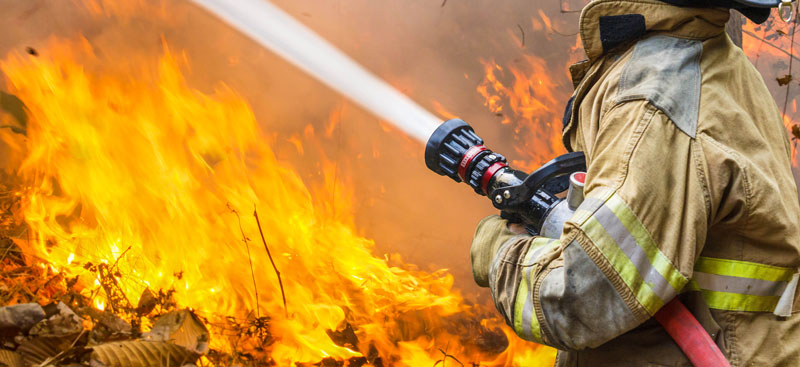
Wheatland County is addressing previous gaps identified in their fire and emergency services bylaw to improve clarity over regulatory authority and enforcement.
The previous fire and emergency service provisions were contained in Bylaw 2019-06, which primarily focuses on regional emergency management structures, and intermunicipal coordination.
The new bylaw updates the services framework by clarifying previously existing provisions, introducing new sections, and aligning with current legislation.
First reading of the bylaw was brought before council, Sept. 2. Administration had been directed at the time to incorporate council’s feedback to revise the drafted bylaw.
Following council’s feedback from the first reading, the bylaw was developed to more clearly define roles, responsibilities, and response expectations from emergency personnel.
Terminology and language in the bylaw have been updated to align with current governance practices, as well as provincial legislation.
Regarding the title and purpose of the bylaw, the expanded scope aims to broaden the mandate from its previous description, “fire services” to “fire and emergency services,” to explicitly include emergency response, and environmental protection.
Further, it serves to clarify an enhanced legal hierarchy, and the explicit integration with broader emergency management policies and legislation.
Enforcement tools and cost recovery mechanisms, including provisions for “running” fires, and assistance call procedures have been developed within the bylaw.
Cost recovery mechanisms and charges are able to be amended through the Master Schedule of Fees bylaw, as opposed to further addressing the Fire and Emergency Services bylaw.
When additional resources are required to respond to an incident within a Fire Protection Area, the Fire Association Chief or Incident Commander may request aid which is consistent with the level of services established for the responding fire district.
The order of priority noted within the bylaw annotates requesting assistance being from neighbouring fire departments within the county, before seeking aid from other municipalities or First Nations that are party to a valid mutual aid agreement.
Language employed regarding “running” fires specifically regards failure to prevent them and insufficient conduct which may lead to the causes of fires.
Digital application options for the purposes of efficiency and accessibility have been introduced regarding fire permit applications.
Comprehensive and explicit guidance regarding permitting requirements has been provided to address fireworks security and regulatory restrictions.
Penalty amounts and the repeat offense structure have remained unchanged throughout the process.
Council voted unanimously to pass the amendments brought forward by administration, as well as second and third readings of the bylaw.